The Beauty of mother-of-pearl inlay: A Perfect Fusion of Nature and Art

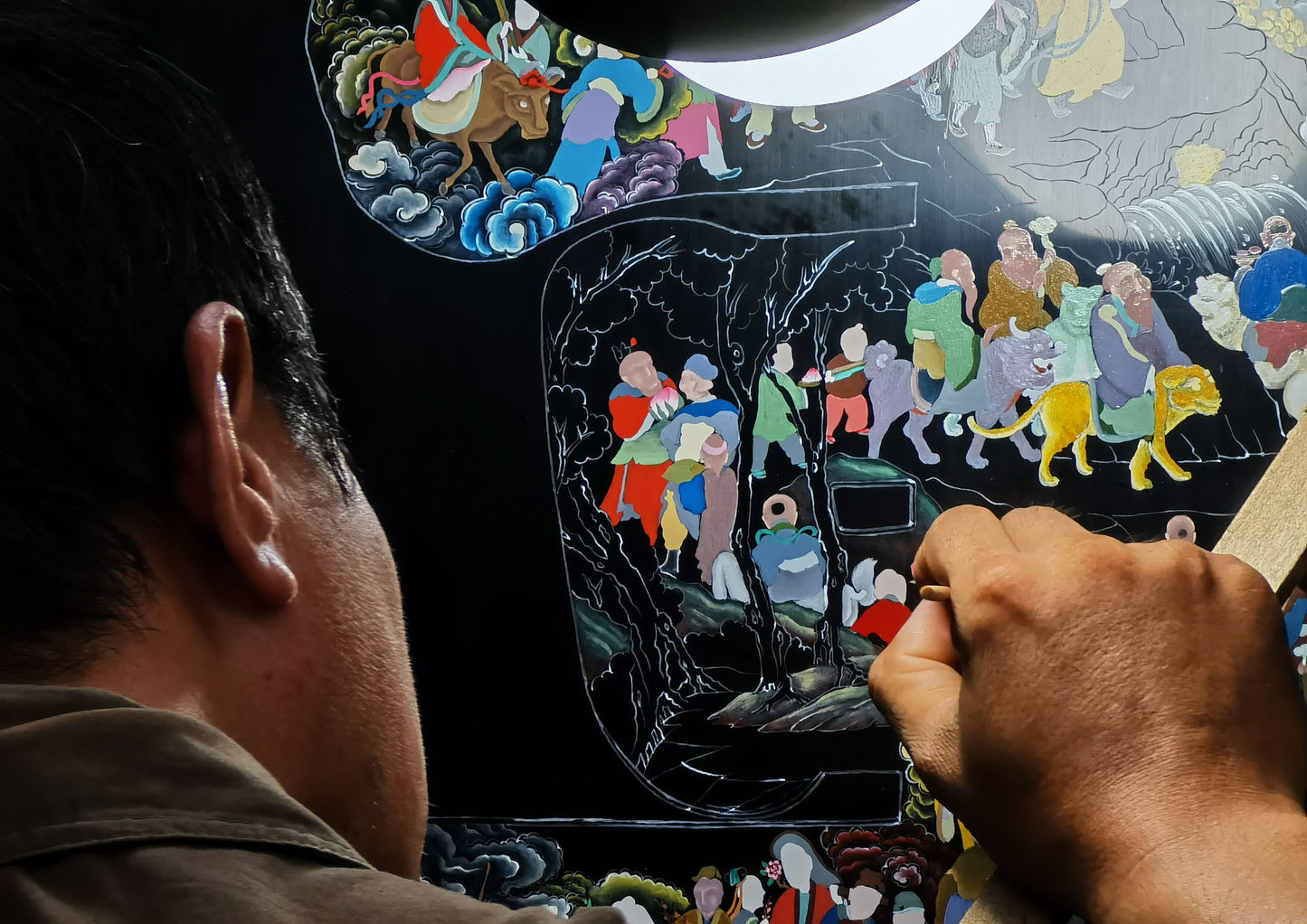
Mother-of-pearl inlay, as its name implies, is a decorative craft that primarily uses materials such as snail shells and seashells (especially the nocturnal shell, also known as the nocturnal turban shell) to create thin slices depicting various figures, flowers, birds, geometric patterns, or text. These slices are then skillfully inlaid onto the surfaces of objects according to the needs of the design. The materials derived from nature, with their inherently beautiful appearance and ever-changing colors, endow the mother-of-pearl craft with a unique charm and striking visual effects.
The fascination of the mother-of-pearl craft lies in its ability to perfectly integrate the essence of nature with human artistic creation. Each mother-of-pearl artwork is a crystallization of the craftsmanship wisdom and the awe-inspiring works of nature. They not only showcase the wonders and beauty of nature but also reflect humanity's longing and pursuit of a better life.
Widespread Applications: The Interplay Between Tradition and Modernity
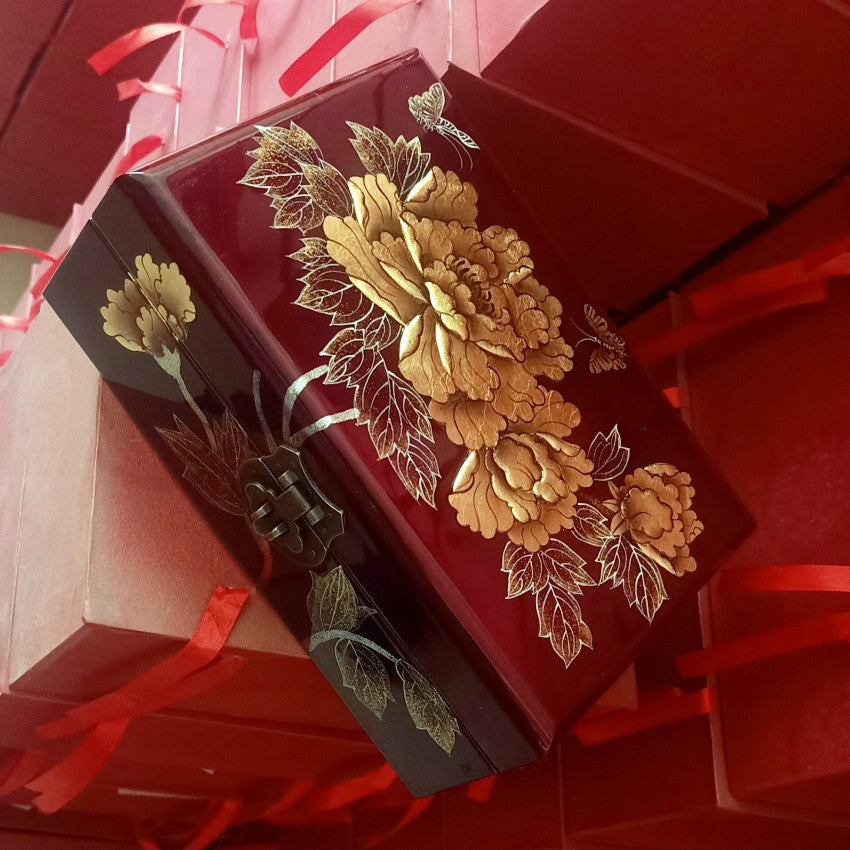
Since its inception, the mother-of-pearl craft has become an important component of traditional Chinese decorative arts due to its unique artistic charm and versatility. From ancient lacquerware, furniture, musical instruments, and screens to modern boxes, basins, dishes, wood carvings, and various crafts, the presence of mother-of-pearl craftsmanship is ubiquitous. It not only enhances the aesthetic appeal and artistic value of objects but also endows them with profound cultural connotations and historical backgrounds.

In modern society, the mother-of-pearl craft still maintains vigorous vitality. Many artists and craftsmen have combined traditional mother-of-pearl craftsmanship with modern design concepts to create works that possess both traditional charm and contemporary fashion. These works are immensely popular.
A Long History: Cultural Imprints Passed Down for Thousands of Years
The history of the mother-of-pearl craft can be traced back to the Shang Dynasty in China, with a history spanning thousands of years. Over the long course of history, the mother-of-pearl craft has evolved from simplicity to complexity and from roughness to refinement. In the early 1980s, Chinese archaeologists discovered numerous Western Zhou Dynasty lacquerware inlaid with mother-of-pearl at the Yan State Cemetery in Liulihe, including a lacquerware with painted beast-mask and phoenix-bird motifs that utilized mother-of-pearl craftsmanship. This is one of the earliest mother-of-pearl lacquerware discovered in the world so far and serves as a powerful testament to the long history of the mother-of-pearl craft.
Today, the mother-of-pearl craft has become an important part of China's intangible cultural heritage and has received widespread attention and protection. The mother-of-pearl craft provides more inspiration and possibilities for artistic creation. Many artists have created works with unique styles and contemporary sensibilities by combining mother-of-pearl craftsmanship with modern design elements.